The Millennial Inheritance Problem: A Generational Shift
I decided to write this because it has become so prevalent in the work I do with my clients. And it seems to put a lot of strain on the relationship between parents and their children. My hope is to help my clients identify the root of the issue and help them reframe it, so it’s no longer a source of tension in their relationships.
The Past
Many parents and grandparents lived through times of recession and post-war anxiety, when things were scarce. And in times of hardship people tend to take on a scarcity mindset. That means they fear resources may run out and keep everything “just in case.”
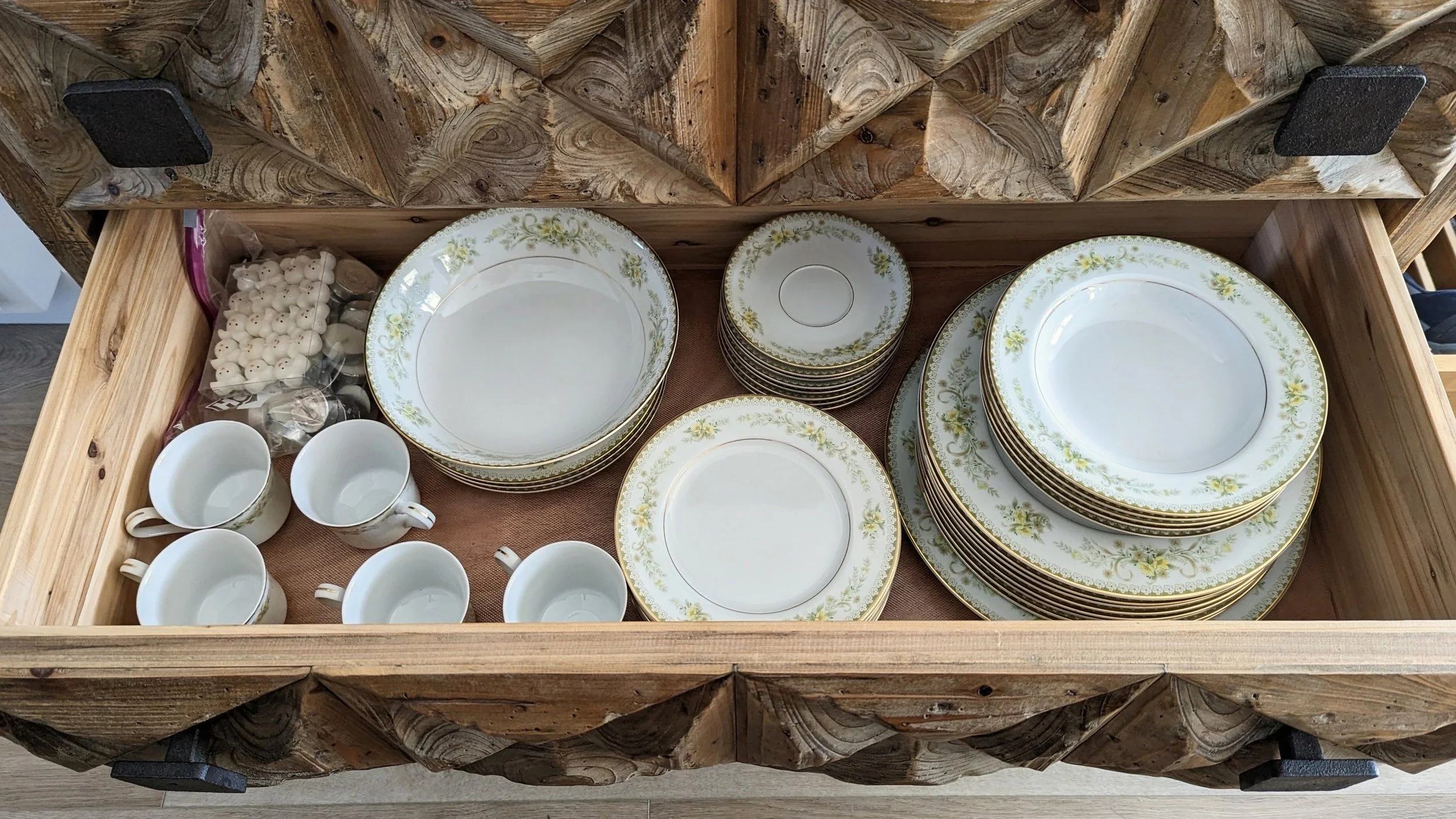
Our parents, grandparents, aunts, and uncles have spent their entire adult life collecting and curating belongings which are valuable to them. Cedar chests, sterling silverware, Wedgwood china, Waterford crystal, and more. Things that have been passed from one generation to the next. And the expectation is that they will soon pass these things onto their children and grandchildren…
The Shift

Times have changed quite a bit. Minimalism is here to replace maximalism. Instead of a scarcity problem, we are facing an overconsumption problem. In response, many young adults are trying to live a life with less belongings overall.
What I’m seeing with so many of my clients is that young adults simply don’t want their parents’ things anymore. For the parents, this can feel really tough. Not only are they left holding onto belongings they always imagined passing down, but they’re also facing feelings of rejection and shame. There’s the sting of rejection — because when a child says “no” to a gift, it can feel like they’re also saying no to the love and memories attached to it. And then there’s the shame — the uncomfortable choice between keeping everything in storage, hoping someone changes their mind, or letting go of it and feeling wasteful and guilty in the process.
Now What
This can be a tricky situation for everyone involved. Kids should feel free to say “no” to gifts they don’t truly want, and parents don’t need to take that as a personal rejection. More often, it’s a sign of independence, healthy boundaries, and simply the way tastes and lifestyles change over time. What I remind my clients is this: just because your children don’t want these pieces, doesn’t mean nobody does. There are plenty of people who love giving vintage treasures a second life. In fact, passing them along to someone who truly wants them is a far better way to honor those items than keeping them tucked away in a dusty box in the garage.