The Two Types of Disorganization
Today I want to talk about the two types of disorganization that I see most often with my clients. You may find yourself relating to one, both, or even neither, and that’s completely okay. Organizing is never a “one-size-fits-all” experience. Every person’s home, habits, and life story are unique, which means the solutions should be unique too. But I also want you to know this: you are not alone. So many people struggle with disorganization and it usually comes down to one of these two types.
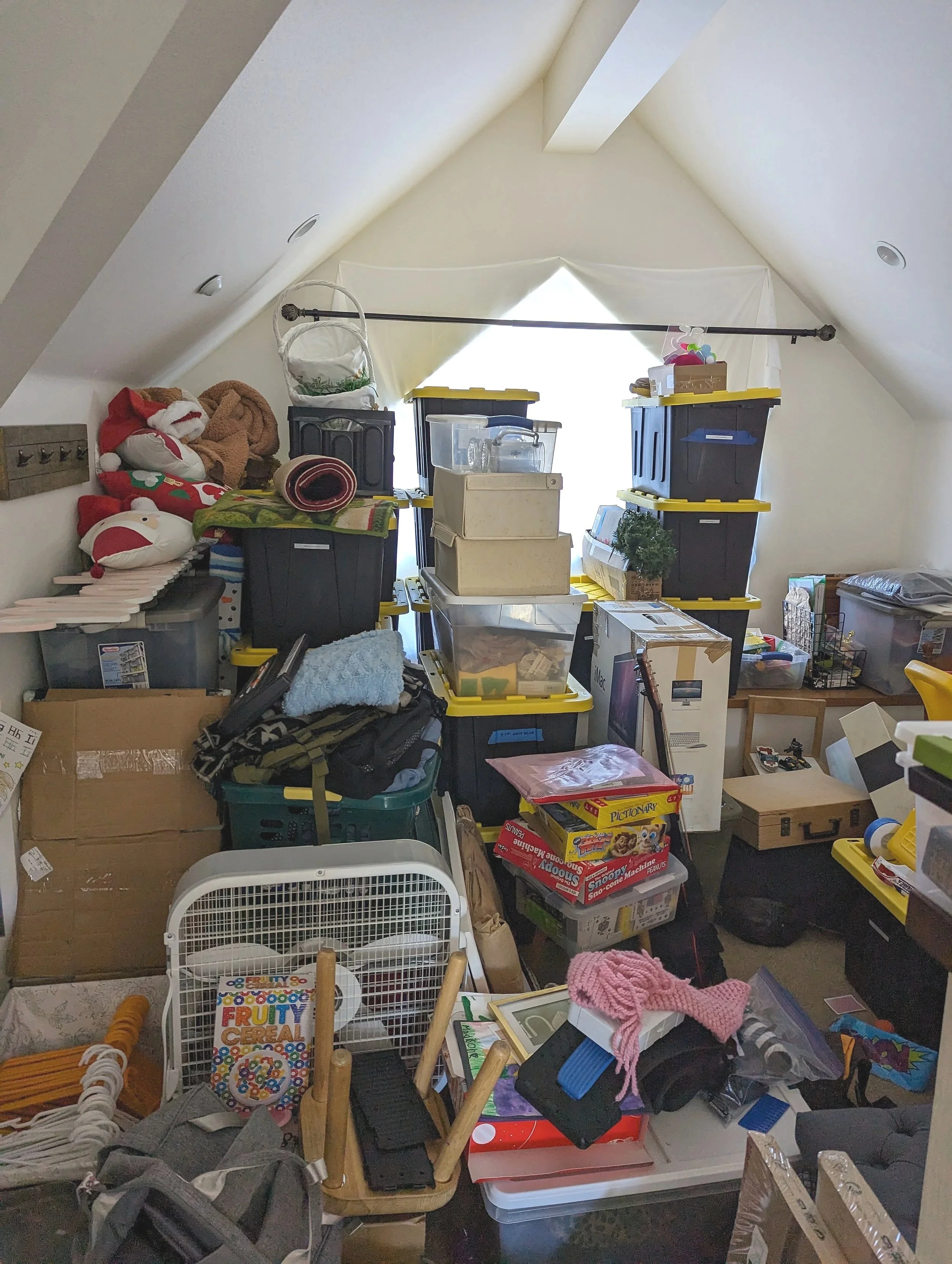
Situational Disorganization
Situational disorganization stems from a life event or transition. Someone who experiences a major injury such as a broken hip, may suddenly become disorganized because they physically cannot pick things up and carry them where they belong. Their usual routine is suddenly unsustainable.
Or imagine losing a parent and inheriting all their belongings. Even a previously well-organized home can become overwhelming when you suddenly need space for someone else’s entire life’s worth of belongings.
There are so many things in life that can cause disorganization; death, divorce, injury, illness, moving, having a child. Sometimes life throws us challenges that we can’t handle alone and in those moments, seeking support is not just helpful, it’s a necessity.
Chronic Disorganization
Chronic disorganization is not triggered by an event. It is a consistent pattern of disorganization over time.
For some, it’s simply because no one ever taught them the skills. For others, a chronic health condition interferes with their daily life. Shopping addiction, depression, ADHD, or a combination of several factors can contribute. Whatever the reason, chronic disorganization is not a character flaw, it’s a challenge that you face, not who you are.
Quick Tips to Get Started
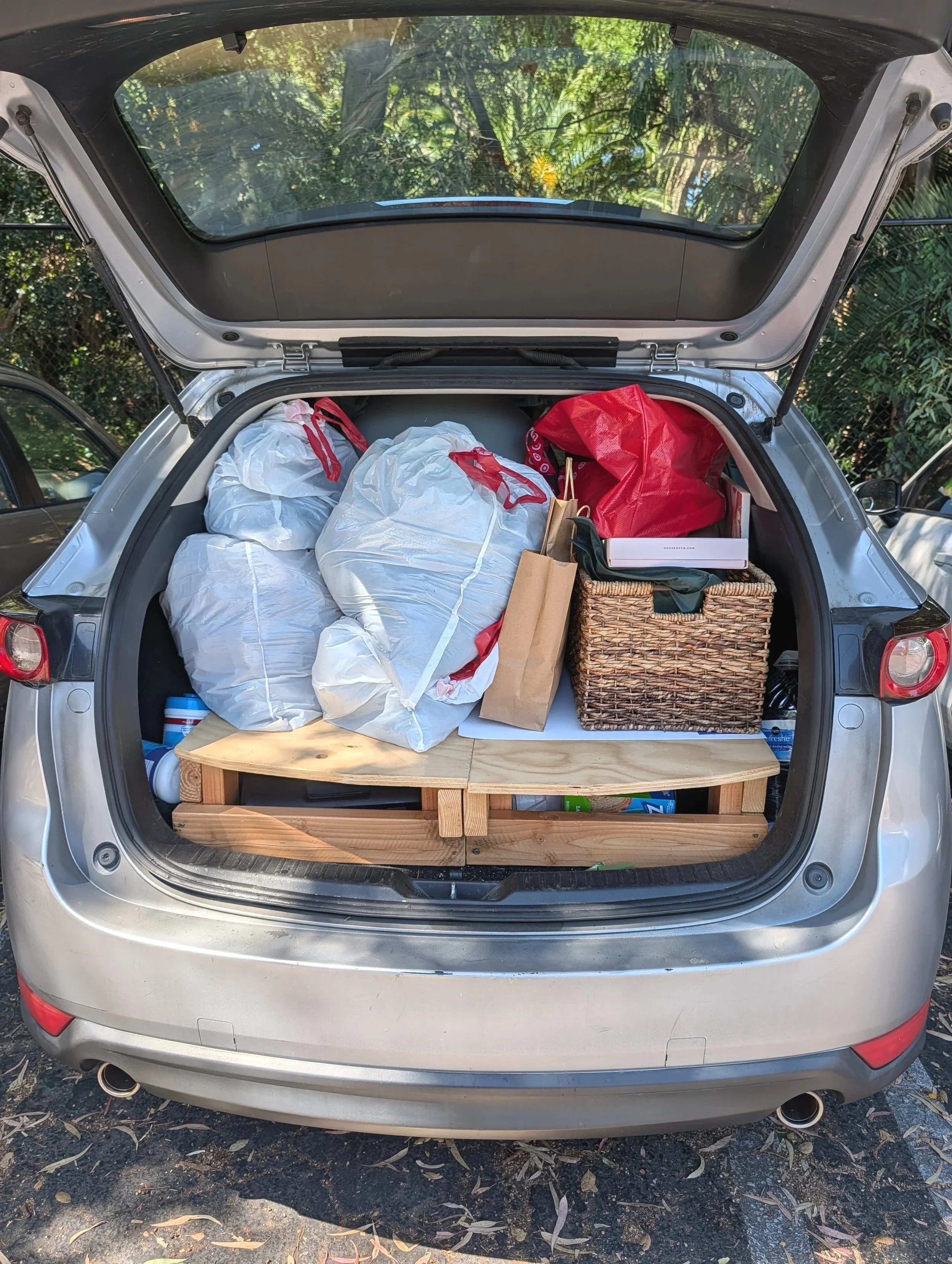
If you’re trying to get organized but don’t know where to begin, here are some simple ways to get started.
Collect all the trash. Don’t touch anything else yet, because it is so easy to become overwhelmed looking at the entirety of a mess. Just focus on picking up the trash; easy!
Implement a one-in-one-out rule. This is an easy way to start preventing your home from becoming more cluttered in the future. If you buy a new pair of sneakers, an old pair needs to go.
Gather all the paper. Paper is a challenging category, so I recommend organizing papers last. But in the meantime, you can collect all the loose papers around the house, throw away any junk mail, and box it up to organize later. You can also add incoming papers to that box until it’s time to deal with them!
Moving Forward
No matter the reason for your disorganization, there are solutions. The goal of a professional organizer is not just to look at a mess and tidy it up, but to look at the “why” behind the clutter and find sustainable, long term solutions for you. Your home should work for you, not the other way around.
If you’re struggling, or know someone who is struggling, keep in mind that change begins with understanding, compassion and the right support. Everyone deserves that.